CBD, or cannabidiol, has become one of the most studied natural compounds in relation to epilepsy and seizure disorders. Interest in CBD for these cases is supported by growing scientific research and FDA approval of a CBD-based drug for specific types of epilepsy. Its use has been especially investigated in severe forms such as Dravet syndrome, Lennox-Gastaut syndrome and tuberous sclerosis complex, rare pediatric disorders that are often resistant to conventional treatments.
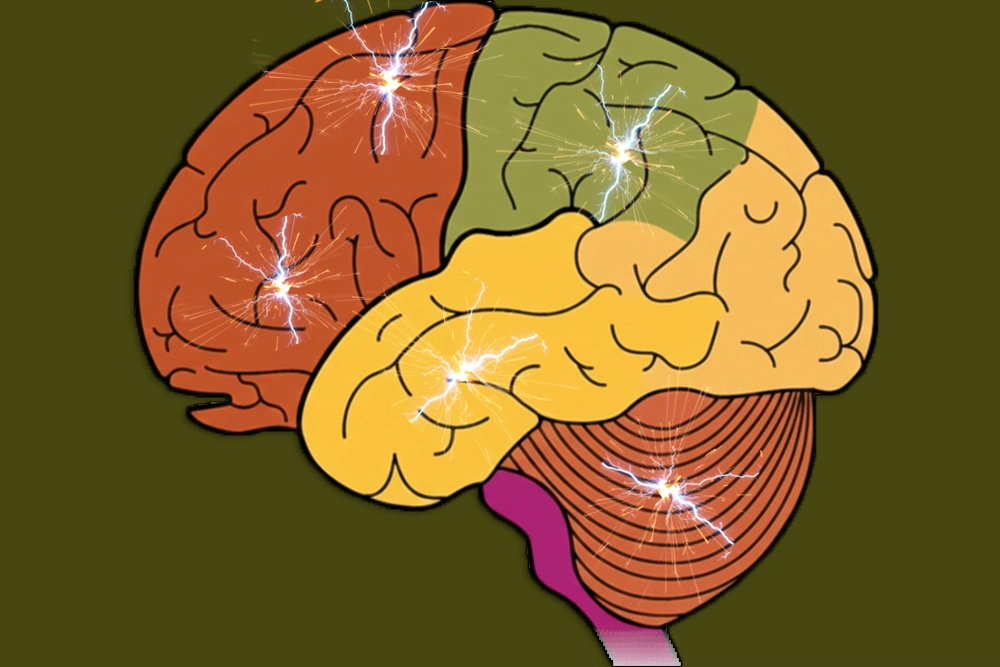
One of the main reasons CBD shows promise is its ability to influence electrical activity in the brain through the endocannabinoid system. This system is involved in regulating communication between nerve cells and maintaining brain balance. By interacting with this system, CBD may help modulate the activity of overactive neurons associated with seizures.
CBD is not a cure and does not replace traditional medical treatments, but for some people, including patients with treatment-resistant epilepsy, it has provided significant support. Clinical studies indicate that, in certain cases and under medical supervision, CBD can contribute to a significant reduction in seizure frequency.
What is the role of CBD in the treatment of epilepsy?
CBD has a potential role as a naturally occurring anticonvulsant. Unlike THC, it does not produce psychoactive effects, but has been shown to have calming and neuroprotective effects. Several scientific studies indicate that CBD can help reduce the frequency and intensity of seizures when used as an adjunct, and always under medical supervision, along with conventional anticonvulsant treatments.
The strongest evidence comes from the clinical trials that led to the approval of the drug Epidiolex in the United States. Patients with Dravet and Lennox-Gastaut syndromes who took CBD showed very significant improvements compared to those who received placebo. Some experienced reductions of 50% or more and a small percentage went months without seizures.
These results have positioned CBD as an important part of modern epilepsy management, especially in patients who do not respond well to traditional treatments. Physicians often recommend it as an adjunctive therapy to improve seizure control without causing negative cognitive effects.
How does CBD work to reduce seizures?
The anticonvulsant effects of CBD come from its interaction with signaling systems in the brain. It directly influences the endocannabinoid system, which regulates electrical activity and inflammation in the nervous system. By calming hyperexcited neurons, CBD helps prevent the electrical impulses that trigger seizures.
CBD also interacts with serotonin and TRPV1 receptors, which are involved in the regulation of mood, stress and neuronal activity. These interactions help stabilize communication between brain cells. Although the exact mechanism is not yet fully understood, it is clear that CBD can decrease brain hyperactivity without sedating the patient.
In addition, it has anti-inflammatory and neuroprotective properties, which help protect neurons from damage caused by chronic seizures, especially important in children whose brains are still developing.
How effective is CBD in reducing seizures?
Numerous clinical trials have confirmed that CBD can significantly reduce seizure frequency in certain types of epilepsy. In studies of patients with Dravet and Lennox-Gastaut syndromes, between 30% and 50% achieved reductions greater than 50%.
Long-term studies also show that the benefits of CBD are sustained over time. Patients who have used it for months or years continue to have fewer seizures without needing to increase the dose.
CBD has also shown promising results in cases of refractory epilepsy, when several medications have not worked. For these patients, CBD has also shown promise in cases of refractory epilepsy, when various medications have failed to work.CBD represents a better quality of life and fewer hospitalizations.
Is CBD safe for people with epilepsy?
CBD is generally considered safe, but its use should be supervised by a physician, especially when used for epilepsy. Common side effects include:
- Fatigue
- Diarrhea
- Decreased appetite
- Mild nausea
- Drowsiness or dizziness
These effects are usually mild and disappear as the body adapts.
CBD can interact with certain anticonvulsants such as clobazam and valproic acid, affecting liver enzymes. Therefore, users should have periodic blood tests to monitor liver function.
Serious adverse effects are rare, but there have been isolated cases of liver problems or increased seizures when using poor quality products. For this reason, it is essential to use CBD certified and tested by external laboratories.
What side effects may occur?
Although most people tolerate CBD well, CBD can occur:
- Fatigue or drowsiness
- Changes in appetite
- Digestive discomfort
- Irritability or mood swings (rare)
- Rash or fever (very rare)
Because it can make the patient sleepy, the patient should avoid driving or operating machinery until we know how it affects you.
If CBD is combined with other sedative medications, it can increase drowsiness, so it is always important to consult a physician before mixing treatments.
Is it safe to use CBD in the long term?
Studies show that CBD is safe and effective in the long term, always under medical supervision. In a three-year study of patients with tuberous sclerosis, CBD continued to reduce seizures without losing effectiveness and side effects remained mild.
The main long-term concern is the possible burden on the liver, especially when combined with other anticonvulsants. Regular medical monitoring helps prevent complications.
There is no evidence that CBD causes permanent harm or dependence, even after years of continuous use.
Can CBD help children with refractory epilepsy?
One of the most promising uses of CBD is in children with severe, treatment-resistant epilepsy. For many families, CBD has represented new hope after years of failed attempts.
In clinical trials with Dravet and Lennox-Gastaut syndromes, children showed:
- Fewer seizures
- Less severe seizures
- Increased alert
- Better quality of life
Many parents report that their children are more present, interact more and regain lost skills, probably because their brain is no longer being constantly interrupted by seizures.
CBD, being non-psychoactive, is a safer option than other cannabis-derived products. However, it should always be handled by a pediatric neurologist.
What role will CBD play in the future of epilepsy treatment?
CBD has opened new doors in neurological research. Its success in severe pediatric syndromes is driving studies for other types of epilepsy and brain disorders.
Scientists are investigating whether CBD can:
- Preventing brain damage caused by prolonged seizures
- Improve cognitive recovery
- Enhancing effects when combined with other cannabinoids
All indications are that CBD could become a standard option for epilepsy management in the future.
If you or someone close to you is dealing with seizures, CBD may offer a new alternative. Always consult with a doctor or neurologist before starting any treatment.
CBD's ability to reduce seizures, protect the brain and improve daily life makes it an important advance in the management of epilepsy. Its safety and efficacy, especially in pediatric and refractory cases, demonstrate that it is much more than a trend. It is a real tool, backed by science.









 English
  Español