What the research suggests
CBD and heart health are two topics that are generating more and more interest in the wellness world. CBD, or cannabidiol, is a natural compound that comes from the hemp plant. Many people use it to manage stress, sleep better and help with joints. But an important question arises: can CBD also help care for the heart?
In this article we are going to look at what the science says about CBD and how it could contribute to cardiovascular health. You'll learn what CBD is, how it interacts with your body and what studies show about its effect on blood pressure, stress and inflammation. We'll also explain how to choose the right CBD product for heart care and what to consider if you're already taking medication.
Although more studies are still needed, the initial research on CBD and cardiovascular health is promising. Many people are curious about whether CBD can help reduce stress, decrease inflammation and help maintain a healthy heart rhythm. Here's a simple explanation to help you understand what it means for you.
By the end of this article, you'll have a better idea of how CBD can accompany your path to wellness, especially as it relates to cardiovascular health.
What is CBD and how does it work?
CBD is a natural compound found in the hemp plant. Unlike THC, it does not produce psychoactive effects or make you feel “high”. That's why many people use it to promote calmness, focus, rest and physical comfort.
CBD interacts with the endocannabinoid system, also known as the ECS. This system helps the body stay in balance and regulates functions such as mood, pain, immune response and sleep. The endocannabinoid system also plays an important role in heart function, including the regulation of blood pressure and inflammation.
CBD acts on receptors in the endocannabinoid system, helping the body to remain stable. As this system influences many areas of the body, CBD can have wide-ranging effects, including some that may support heart function.
Can CBD help lower high blood pressure?
High blood pressure, also known as hypertension, is one of the main risk factors for heart disease. When blood pressure is elevated, the heart has to work harder than it should. Over time, this can lead to heart failure, stroke or other health problems.
Some studies suggest that CBD may help lower blood pressure. In a small human study, healthy men were given a single dose of CBD. Researchers observed that blood pressure dropped slightly at rest and even more in stressful situations. This suggests that CBD may help the heart respond better to stress.
One of the ways CBD may lower blood pressure is by helping blood vessels relax. It can also decrease the body's response to stress, which often causes pressure spikes.
More studies are still needed, especially on long-term use, but early results are encouraging.
Can CBD reduce stress on the heart?
Stress is not just a mental feeling. When you are stressed, your body releases hormones such as cortisol and adrenaline. These hormones can speed up the heart rate and increase blood pressure. Over time, this puts additional strain on the heart and blood vessels.
CBD can help reduce this type of stress. One of the most common uses of CBD is to promote mental calm. Many people report feeling more relaxed after using it, and science supports this perception. Research shows that CBD can help reduce anxiety in stressful situations, such as public speaking or facing social events.
By calming the nervous system, CBD may reduce the strain on the heart. Less stress on the body means the heart doesn't have to work as hard, which is good news for cardiovascular health.
What effect does CBD have on inflammation and heart health?
Inflammation is a natural response of the body to injury or disease. However, when inflammation is sustained for a long time, it can damage healthy tissues, including the heart and blood vessels.
Chronic inflammation is related to several cardiac conditions, such as atherosclerosis, which occurs when plaque builds up in the arteries and impedes blood flow.
CBD is known for its anti-inflammatory properties. It can help reduce inflammation in the blood vessels and throughout the body. This may support better heart function and protect the heart from damage caused by prolonged inflammation.
In animal studies, CBD has been shown to reduce markers of inflammation and improve blood flow. Although human research is still limited, the results so far are promising.
Does CBD help with arrhythmias or heart rhythm?
Some people wonder if CBD can help with heart rhythm problems, known as arrhythmias. These are disturbances in the heartbeat that can be too fast, too slow, or irregular.
There is very little human research on this topic. However, some laboratory animal studies suggest that CBD may help stabilize heart rhythm in certain conditions. It appears to have a calming effect on heart tissue during times of stress.
Still, much more research is needed before firm conclusions can be drawn. If you have a heart rhythm problem, it is essential to talk to your doctor before using CBD.
Is CBD safe for people with heart conditions?
For most people, CBD is considered safe and well tolerated. However, if you have a heart condition or take medication, it is important to use caution.
CBD can interact with certain medications, especially those that are metabolized in the liver. Some heart medications, such as anticoagulants or beta-blockers, may be affected, which could alter their effect on the body.
If you take prescription heart medication, always consult with your physician before incorporating CBD into your routine. CBD should not be used as a substitute for medical treatments or prescription medications. A healthcare professional can help you evaluate possible interactions and make an informed decision.
In addition, it is key to choose high quality CBD products. Look for options tested by independent laboratories, with no harmful ingredients and clean extraction methods. This information is for educational purposes only and is not a substitute for professional medical evaluation.
How can I use CBD to support heart health?
There is no one right way to use CBD for heart health, but there are common formats that many people choose.
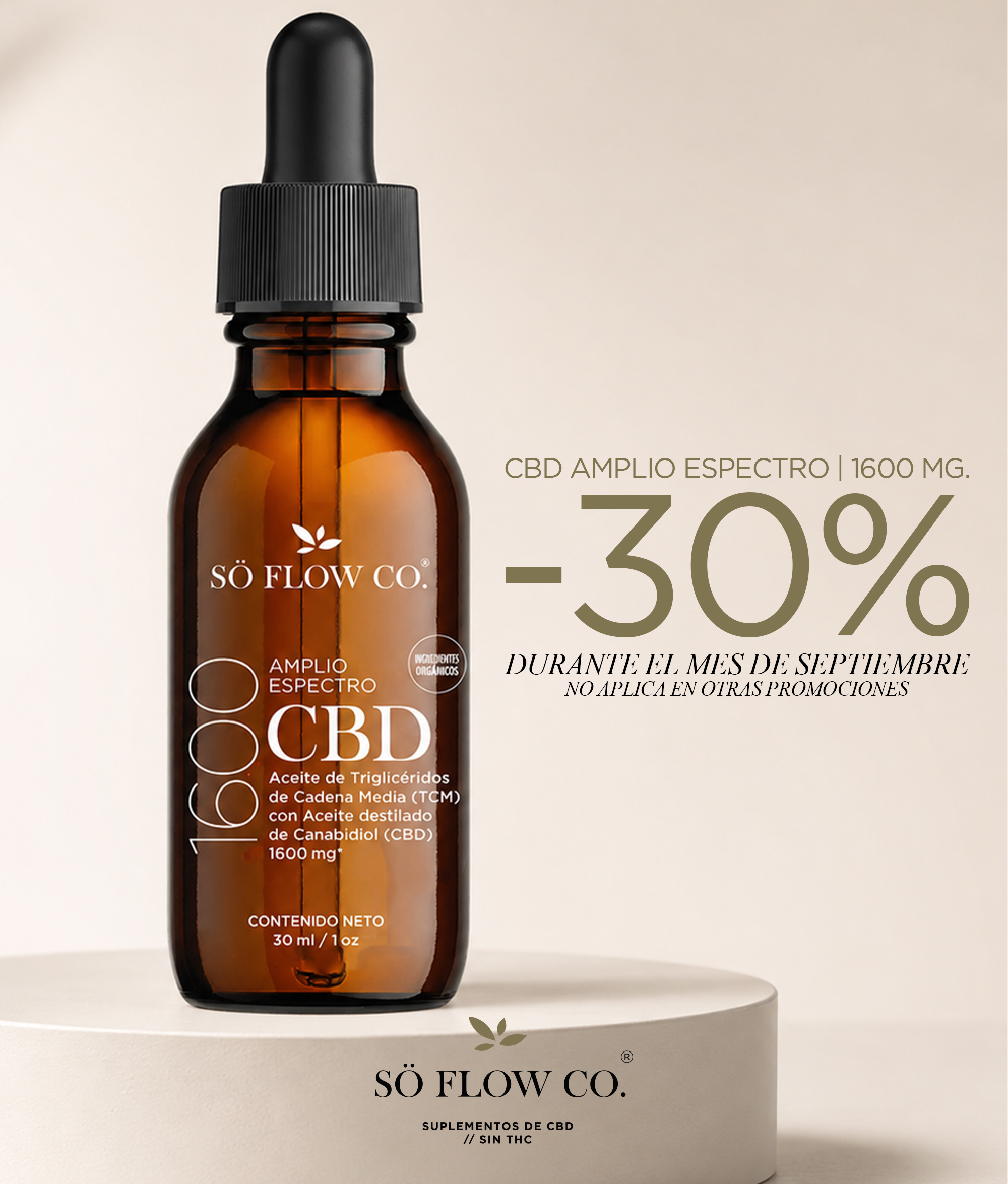
CBD oil drops are easy to use and absorb quickly when placed under the tongue.
CBD capsules offer precise dosage and are easy to incorporate into the daily routine.
CBD gummies are a practical and enjoyable option, especially for those who are just starting out.
It is advisable to start with a low dose and observe how your body responds. Then you can adjust little by little. If you use CBD to manage stress or improve sleep, many people prefer to take it at night. For general balance, it can be used once or twice a day.
Remember that CBD is not a cure or treatment for heart disease. It is a natural support tool that can complement healthy habits such as good nutrition, regular physical activity, stress management and adequate rest.
What should I know before trying CBD for heart health?
Before starting to use CBD, it is important to be well informed. There are a few key points to keep in mind.
Talk to your doctor, especially if you have a heart condition or take medication.
Choose products that are tested to ensure their safety and purity.
Be consistent with your routine and pay attention to how you feel over time.
Use CBD as part of a broader plan for healthy living.
CBD is not a quick fix, but it can help you feel more balanced and supported. Think of it as one more piece of the puzzle of your cardiovascular health.
Can CBD be part of a heart-healthy lifestyle?
CBD and heart health is an area of growing interest. Although long-term studies are still needed, current research suggests that CBD may help with key issues such as stress, inflammation and blood pressure, all important for heart care.
If you are looking for a natural way to support your body and mind, CBD could be a good option. Just remember to use it responsibly, choose reliable brands and always consult with your health professional.
To learn more about how CBD can support your wellness, explore our online store and consider each product.
To continue learning about CBD and clarify common doubts, we invite you to visit our section of Frequently Asked Questions about CBD, with practical and easy to understand information.









 English
  Español